Understanding the Home Appraisal Process

June 7, 2021

If you're thinking about selling your home, you probably want to know what it's really worth. The best way to do this is with an appraisal. During an appraisal, your home is inspected and photographed to determine the current market value. If you would like to know more, check out these commonly asked questions about the home appraisal process.

What Does an Appraiser Look For?

Naturally, part of an appraisal involves examining the overall condition of the house, such as the foundation, roof, and siding. If the foundation is cracked and the roof has collapsed, the appraisal won't go well. The appraiser will look for cosmetic issues like worn floors and structural issues like a sinking foundation.


However, an appraisal doesn't stop there. The appraiser will also consider the size of the home, the number of bathrooms, whether the basement is finished, and what materials have been used to build the house. In addition, they will consider the type of neighborhood, the lot size, and the zoning classification.


Last, an appraiser looks for anything that has been added to the home to make it better, such as energy-efficient items or a deck. In most cases, adding these types of features can add value to the home. However, some upgrades, like pools, are too problematic for some homebuyers. They may see the pool as a huge money and maintenance pit.

How Is the Home's Value Determined?

After an appraisal, your house is compared to similar houses to determine the value. The appraiser must use market trends to calculate the value. Therefore, if your home has a lot of in-demand items like bathrooms or a glass shower, the home's value increases.


Unfortunately, your home's value largely depends on current trends. If houses like yours are going for a lot of money, you're in luck. However, if the market is doing poorly, or you live in an area with low housing values, you may not get as much as you feel you deserve.


Keep in mind, parts of the home that can be moved, such as appliances, do not add to the value of the home. Even if you are selling the items with the home, they don't typically boost the value, but they may attract more buyers.

How Can You Boost Your Appraisal Value?

You can improve the results of your appraisal in many ways. First, you should go through and fix up your house a little. Paint the walls, clean the floors, replace old fixtures, and remove clutter. If you've made any major changes, such as recently replacing the patio, point it out to the appraiser. Fix any damage and get caught up on maintenance, since deferred maintenance is the number one reason your home's value falls.


When looking for areas of your home to improve, consider what is modern and trendy. Dated cabinets and flooring can deter buyers. Similarly, older homes may have been built with hazardous materials like lead paint or asbestos insulation. If this is the case, you'll need professional help to remove the hazards.


Next, head outside and examine your yard. The front yard plays an important role in curb appeal. Therefore, weeds, overgrown bushes, dead trees, and an untrimmed lawn can all work together to make your yard look messy. Clean up any garbage and make sure your entryway is welcoming and well-lit.


A home appraisal is an important step in selling your home, and there are lots of things you can do to boost your appraisal value. While you can't change the location of your home or the current neighborhood, you can spruce up the walls, floors, and yard. If you would like to know more, contact us at East Coast Appraisal Service today.


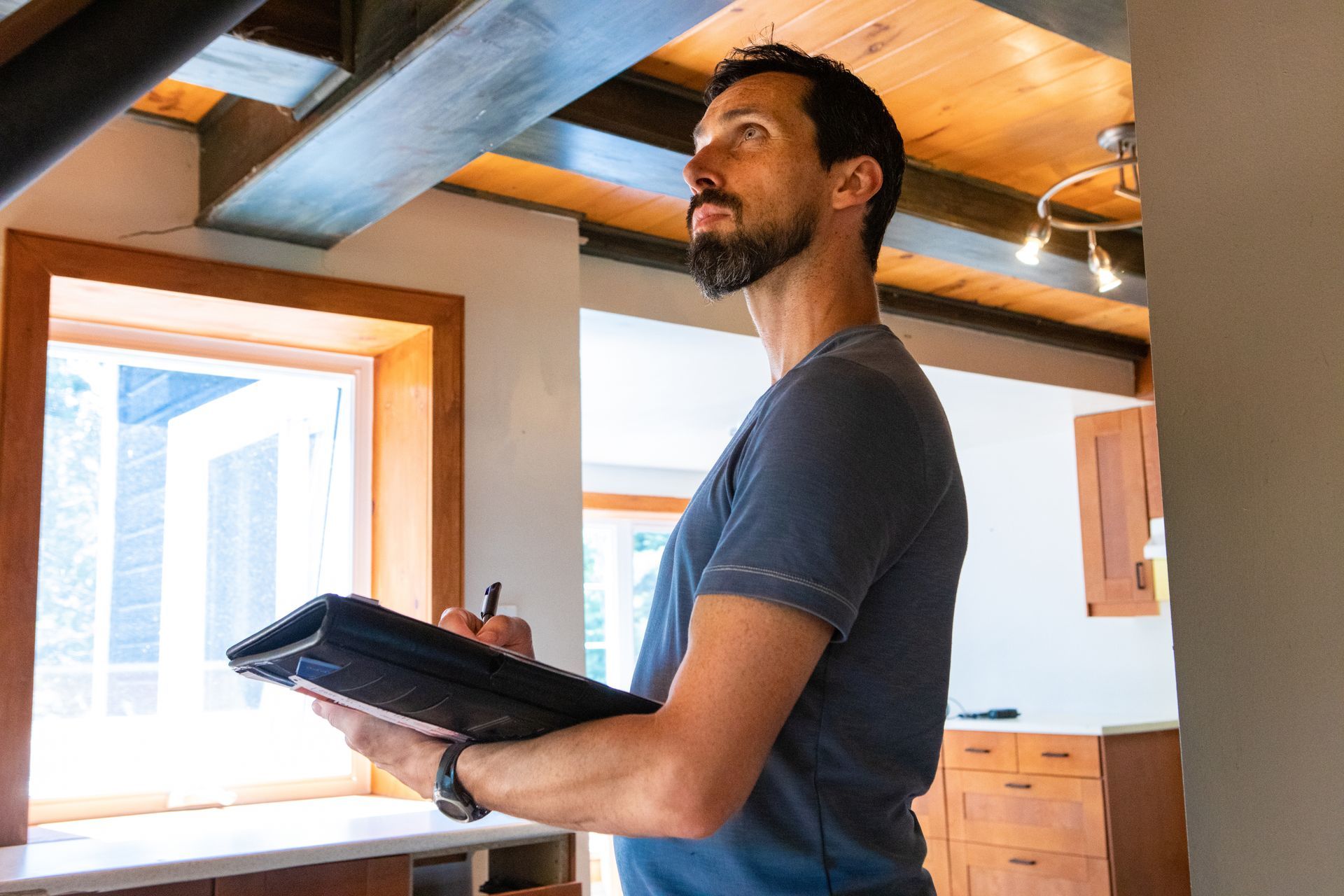
A man is inspecting a house.
June 11, 2026
Understand how residential appraisals handle square footage in Manhattan, NY. East Coast Appraisal Service offers certified appraisal services. Call today.
May 28, 2026
When someone inherits property—whether it’s real estate, stocks, or other assets—one of the most important (and often overlooked) tax concepts is the “step-up in basis.” An IRS step-up appraisal is the process used to determine the fair market value of an asset at the time of the original owner’s death. That value becomes the new tax basis for the heir. Understanding how this works can save—or cost—significant money when the asset is eventually sold. What Does “Step-Up in Basis” Mean? “Basis” is essentially what an asset is worth for tax purposes. Normally, if you buy something, your basis is what you paid for it. But when you inherit property, the IRS allows that basis to be “stepped up” to the asset’s fair market value as of the date of death. Example: A parent buys a home for $100,000 decades ago At the time of their passing, the home is worth $700,000 The heir’s new basis becomes $700,000—not $100,000 If the heir sells the home for $710,000, they only pay capital gains tax on $10,000—not $610,000. That’s the power of the step-up. What Is an IRS Step-Up Appraisal? An IRS step-up appraisal is a formal valuation that establishes the fair market value of an inherited asset as of a specific date—usually the date of death. For real estate, this means a licensed appraiser evaluates: Comparable sales (comps) Property condition Market trends at that time Location and unique characteristics The result is a retrospective appraisal , meaning it determines value as of a past date, not the current market. Why Is It Important? A step-up appraisal is critical for several reasons: 1. Reduces Capital Gains Taxes Without a proper appraisal, the IRS may assume a lower basis, increasing taxable gains when the asset is sold. 2. Provides Documentation If the IRS ever questions the reported value, a professional appraisal serves as defensible evidence. 3. Helps with Estate Planning and Reporting Executors and heirs need accurate values for estate filings and distribution decisions. When Do You Need One? You typically need a step-up appraisal when: You inherit real estate and plan to sell it The estate did not already establish a value for tax purposes Significant time has passed since the date of death There’s potential for IRS scrutiny (high-value assets) Even if you don’t plan to sell immediately, getting the appraisal early can prevent headaches later. Date of Death vs. Alternate Valuation Date Most step-up appraisals use the date of death as the valuation date. However, in some cases, the estate may elect an alternate valuation date (six months later), if it reduces estate taxes. This decision is usually made by the estate’s executor in consultation with tax professionals. What Makes a Good Step-Up Appraisal? Not all appraisals are equal—especially when dealing with the IRS. A reliable step-up appraisal should: Be completed by a state-licensed or certified appraiser Follow Uniform Standards of Professional Appraisal Practice (USPAP) Clearly state it is a retrospective appraisal Include strong comparable sales data from the relevant time period Be well-documented and defensible Common Mistakes to Avoid Using current market value instead of date-of-death value Relying on informal estimates (like Zillow) Waiting too long to gather historical data Failing to get an appraisal at all These missteps can lead to disputes or higher taxes. Final Thoughts An IRS step-up appraisal might not be the first thing on your mind after inheriting property, but it plays a major role in determining future tax liability. Getting it right can mean the difference between a manageable tax bill and a costly surprise. If you’ve inherited property—or expect to—it’s worth consulting with a qualified appraiser and tax advisor early in the process. A little diligence upfront can protect you financially down the road.
Laptop with smart home icons floating above a person typing on a keyboard, including home, cloud, and security symbols
May 22, 2026
Inherited NYC property? Learn what an IRS step-up appraisal is, why date-of-death value matters, and how NY estate tax works — from a Brooklyn appraisal firm.
May 22, 2026
ACRIS is NYC's free property records database. Learn what it is, how to look up who owns a property in New York, and what it costs — from a Brooklyn appraisal firm.
Hand places a puzzle piece labeled property value into a home valuation concept image.
April 23, 2026
Discover why a real estate appraisal in Manhattan, NY, matters with East Coast Appraisal Service. Call 718-834-1700 or click here to learn more.
Hand placing 'Property Value' puzzle piece beside housing factors and home icon.
March 9, 2026
Get an accurate real estate appraisal in Manhattan, NY from East Coast Appraisal Service. Call 718-834-1700 today to schedule.
Skyline of New York City with water fountains spraying in the foreground on a sunny day.
December 17, 2025
Call East Coast Appraisal Service at 718-834-1700 to prepare your home for a professional appraisal with a trusted real estate appraiser in Manhattan, NY.
Room being painted, half white, half blue, with ladder, paint can, roller, and pendant lights.
By East Coast Appraisal Service November 27, 2025
A home appraisal enables you to get an assessment of your home's value. Be sure that you are presenting your house in the best light. Read on for more.
Handshake closing a deal, showcasing real estate appraiser expertise in action.
October 16, 2025
Trust East Coast Appraisal Service, a certified real estate appraiser for Manhattan, NY, for accurate property valuations. Call us today at (800) 228-2158!
More Posts