
3 Things You Can Do When an Appraisal Value Is Too Low
East Coast Appraisal Service • June 10, 2022
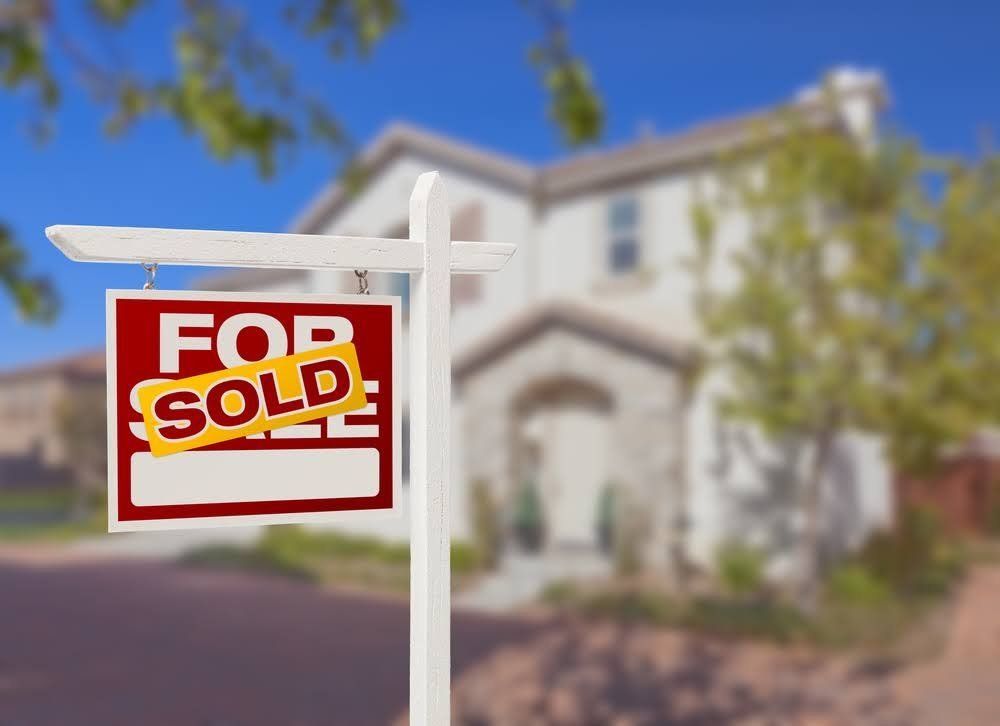
Real estate transactions typically involve hundreds of thousands of dollars. Most buyers opt to finance the purchase of a home through a mortgage lender. Lenders will usually require an appraisal to determine the value of the property before approving a mortgage loan.
The appraisal process typically goes smoothly, but rapidly increasing property values and extreme competition within the real estate market have complicated the appraisal process in recent years.
It is possible for the appraisal price of a property to be lower than the agreed-upon purchase price between buyer and seller. If you find yourself in this situation, here are three things that you can do to help push the sale of the property forward.
1. Negotiate a Lower Sale Price
It's common for sellers to receive multiple offers that are above their list price when selling a home in today's real estate market. In the event that a seller accepts your offer, but the appraisal value is lower than the offer, your ability to secure a mortgage could be compromised.Most lenders operate using a loan-to-value (LTV) ratio when offering mortgages to their customers. The LTV is designed to prevent lenders from offering more credit than a property is worth.
Appraisals are based, in part, on recently closed real estate transactions. In a market that is rapidly evolving, recent transactions may not be representative of current market conditions.
You could choose to negotiate a lower purchase price with the seller based on the low appraisal value that the property receives. Most real estate contracts are contingent on a favorable appraisal, so there should be no legal ramifications if you need to renegotiate a lower purchase price in order to meet your lender's LTV ratio demands.
2. Dispute the Appraisal
If you feel that the appraisal value for a property you are interested in purchasing is too low, you have the option to dispute the appraisal with your lender.The individual paying for an appraisal (which is typically the buyer in real estate transactions) is entitled to a copy of all appraisal paperwork according to the Bureau of Consumer Financial Protection.
Request a copy of the appraisal from your lender, then partner with your real estate agent to look for any errors. Appraisers can miscalculate square footage or misstate the number of bedrooms and bathrooms, which would cause the appraisal to be lower than your agreed-upon purchase price.
Gather documentation for the most recent comparable sales in the neighborhood, and be sure that you create a list of every improvement and upgrade made to the home in recent years.
Armed with this information, you can request a second appraisal that will hopefully address any errors and result in an appraisal value that meets or exceeds the purchase price you have agreed upon with the seller.
3. Increase Your Down Payment
With competition for quality properties so high, buyers don't want to lose out on the home they have worked hard to negotiate for. A low appraisal value doesn't necessarily mean that you have to walk away from a home you have fallen in love with.A mortgage lender will be able to extend a mortgage up to the appraisal value. The difference between this loan amount and the purchase price you have agreed upon with the seller can be erased by increasing your down payment.
Liquidate some assets to increase the amount of money you can dedicate toward a down payment. A higher down payment will ensure that a low appraisal value doesn't cause you to lose a lucrative real estate deal.
Navigating the appraisal process can be a challenge. Let East Coast Appraisal Service help the next time you need an appraisal.

Need a real estate appraisal in Nassau County, NY? East Coast Appraisal covers estate, divorce, tax grievance & more. Get a quote today.

Learn what to expect during a Residential Appraisal in Manhattan, NY. East Coast Appraisal Service delivers USPAP-compliant reports. Visit our website today.

When settling an estate in New York, real estate is often the most valuable and complex asset to handle. A professionally prepared appraisal by a certified appraiser is not an optional extra — it’s a critical document that protects executors, beneficiaries, and the estate itself.
Need a real estate appraiser Manhattan NY for inherited property? East Coast Appraisal Service offers certified estate appraisals. Call today.

Understand how residential appraisals handle square footage in Manhattan, NY. East Coast Appraisal Service offers certified appraisal services. Call today.

When someone inherits property—whether it’s real estate, stocks, or other assets—one of the most important (and often overlooked) tax concepts is the “step-up in basis.” An IRS step-up appraisal is the process used to determine the fair market value of an asset at the time of the original owner’s death. That value becomes the new tax basis for the heir. Understanding how this works can save—or cost—significant money when the asset is eventually sold. What Does “Step-Up in Basis” Mean? “Basis” is essentially what an asset is worth for tax purposes. Normally, if you buy something, your basis is what you paid for it. But when you inherit property, the IRS allows that basis to be “stepped up” to the asset’s fair market value as of the date of death. Example: A parent buys a home for $100,000 decades ago At the time of their passing, the home is worth $700,000 The heir’s new basis becomes $700,000—not $100,000 If the heir sells the home for $710,000, they only pay capital gains tax on $10,000—not $610,000. That’s the power of the step-up. What Is an IRS Step-Up Appraisal? An IRS step-up appraisal is a formal valuation that establishes the fair market value of an inherited asset as of a specific date—usually the date of death. For real estate, this means a licensed appraiser evaluates: Comparable sales (comps) Property condition Market trends at that time Location and unique characteristics The result is a retrospective appraisal , meaning it determines value as of a past date, not the current market. Why Is It Important? A step-up appraisal is critical for several reasons: 1. Reduces Capital Gains Taxes Without a proper appraisal, the IRS may assume a lower basis, increasing taxable gains when the asset is sold. 2. Provides Documentation If the IRS ever questions the reported value, a professional appraisal serves as defensible evidence. 3. Helps with Estate Planning and Reporting Executors and heirs need accurate values for estate filings and distribution decisions. When Do You Need One? You typically need a step-up appraisal when: You inherit real estate and plan to sell it The estate did not already establish a value for tax purposes Significant time has passed since the date of death There’s potential for IRS scrutiny (high-value assets) Even if you don’t plan to sell immediately, getting the appraisal early can prevent headaches later. Date of Death vs. Alternate Valuation Date Most step-up appraisals use the date of death as the valuation date. However, in some cases, the estate may elect an alternate valuation date (six months later), if it reduces estate taxes. This decision is usually made by the estate’s executor in consultation with tax professionals. What Makes a Good Step-Up Appraisal? Not all appraisals are equal—especially when dealing with the IRS. A reliable step-up appraisal should: Be completed by a state-licensed or certified appraiser Follow Uniform Standards of Professional Appraisal Practice (USPAP) Clearly state it is a retrospective appraisal Include strong comparable sales data from the relevant time period Be well-documented and defensible Common Mistakes to Avoid Using current market value instead of date-of-death value Relying on informal estimates (like Zillow) Waiting too long to gather historical data Failing to get an appraisal at all These missteps can lead to disputes or higher taxes. Final Thoughts An IRS step-up appraisal might not be the first thing on your mind after inheriting property, but it plays a major role in determining future tax liability. Getting it right can mean the difference between a manageable tax bill and a costly surprise. If you’ve inherited property—or expect to—it’s worth consulting with a qualified appraiser and tax advisor early in the process. A little diligence upfront can protect you financially down the road.

Inherited NYC property? Learn what an IRS step-up appraisal is, why date-of-death value matters, and how NY estate tax works — from a Brooklyn appraisal firm.

ACRIS is NYC's free property records database. Learn what it is, how to look up who owns a property in New York, and what it costs — from a Brooklyn appraisal firm.

Discover why a real estate appraisal in Manhattan, NY, matters with East Coast Appraisal Service. Call 718-834-1700 or click here to learn more.